The Evolution of Mobile App Development: Redefining Connectivity and Convenience
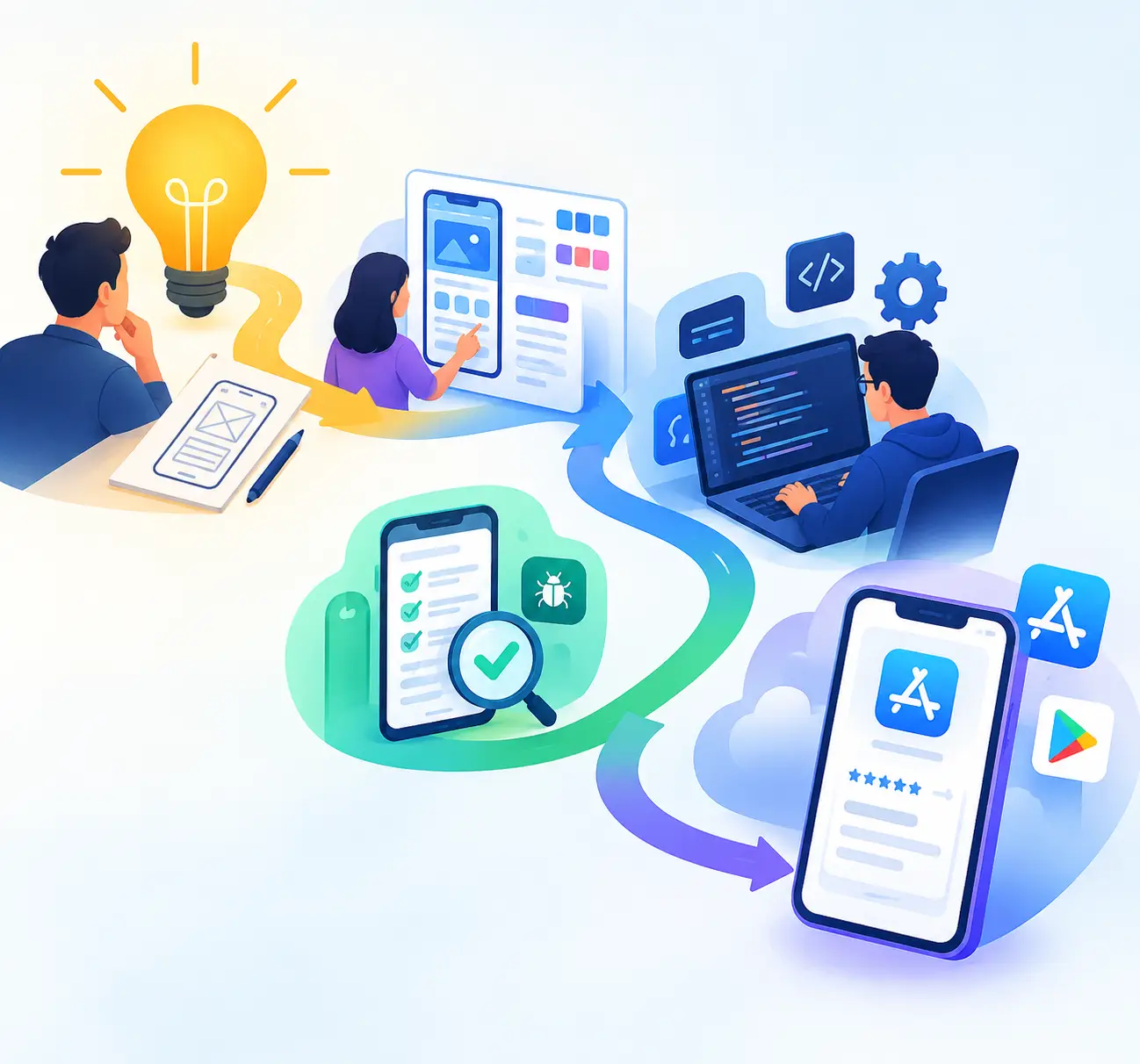
In the ever-evolving digital ecosystem, mobile applications have emerged as transformative tools, reshaping how we interact, transact, and navigate our daily lives. Explain the importance of mobile apps in today’s digital world. Highlight their impact on businesses, user engagement, and daily life. The PJ IT Hub company mobile app development journey from idea to the app store involves several stages and steps. Remember that the mobile app development journey is an iterative process. Continuous improvement and user-centric design are key to building a successful and sustainable app.
With the advent of smartphones, the inception of mobile apps revolutionized communication. From the basic functionalities of email and messaging apps to the inception of social media platforms, the early stages of app development primarily focused on connecting people globally, fostering instant communication, and sharing information effortlessly.
PJ IT Hub Evolving Beyond Communication From Utility to Innovation
However, the trajectory of mobile app development swiftly expanded beyond mere communication tools. The surge in app utilization spanned across industries, embracing functionalities that catered to diverse needs. From utility apps simplifying daily tasks to gaming apps providing immersive experiences, the landscape evolved rapidly, accommodating various niches and preferences.
PJ IT Hub Mobile Apps: Revolutionizing Communication
PJ IT Hub Advancements in technology spurred a renaissance in mobile app development methodologies. The emergence of native, hybrid, and cross-platform development approaches provided developers with versatile tools to craft robust, user-centric applications. Native apps optimized for specific platforms, hybrid apps offering cross-compatibility, and progressive web apps blurring the lines between web and native experiences, ushered in a new era of possibilities.
PJ IT Hub User-Centricity and Experience
In this era, the focus shifted markedly toward user-centric design and experience. Apps that seamlessly integrate into users’ lives, anticipate their needs, and offer intuitive interfaces gained prominence. The horizons of PJ IT Hub mobile app development continue to expand with the integration of cutting-edge technologies. Augmented Reality (AR), Internet of Things (IoT), artificial intelligence, and machine learning have found their way into app functionalities, fostering immersive experiences and unlocking new dimensions of interactivity.
While the mobile app development landscape has witnessed unprecedented growth, it’s not without challenges. The proliferation of apps has intensified competition, demanding innovative solutions to stand out. Moreover, ensuring data security, optimizing for diverse devices, and adapting to evolving user behaviors present ongoing challenges for developers.
PJ IT Hub The Future: Where Innovation Meets Purpose
As we step into the future, the trajectory of mobile app development seems poised for groundbreaking innovation. Apps that not only provide seamless experiences but also serve a purpose, addressing societal needs, sustainability, and inclusivity, are likely to shape the next phase of development. In conclusion, mobile app development has traversed a remarkable journey, evolving from communication tools to multifaceted solutions catering to diverse facets of life. The ongoing fusion of technology, user-centric design, and innovation promises a future where mobile apps will continue to be catalysts for connectivity, convenience, and transformation.
This comprehensive guide aims to cover the entire spectrum of mobile app development, offering insights and guidance at each stage of the process. Tailor the content depth according to your audience’s expertise level and make use of visual aids, examples, and case studies to enhance understanding.Top of Form Summarize the key points discussed, emphasizing the ongoing nature of app development and the need for adaptability and responsiveness to user feedback and market trends.